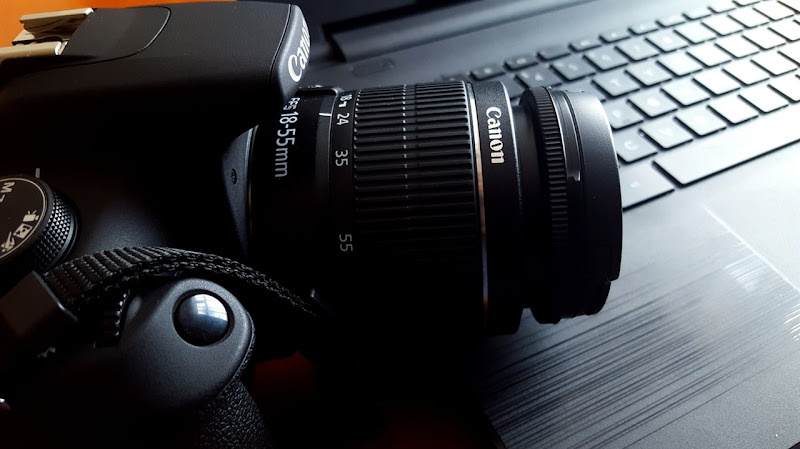
Hi there! Are you prepared to explore the fascinating field of photography and take some breathtaking pictures? Selecting the appropriate camera is a crucial choice you must make before starting your photographic adventure. It can be a little overwhelming to have so many options on the market. But don't worry! We'll go over everything you need to know in this article so you can choose the best camera for your requirements.
Photography is an art form that enables us to express ourselves and tell stories via pictures; it's not simply about pointing and shooting. Having the correct camera may make all the difference in producing beautiful images that accurately capture your vision, regardless of your level of experience.
However, how can you sort through the countless models, brands, and features available to you and choose the ideal camera? We are here to assist you with that. We'll go over every important aspect in this tutorial, from identifying your photography requirements to investigating and contrasting camera models. Let's begin the process of identifying the ideal camera to realize your vision!
Destin Sparks once said, "Photography is the story I fail to put into words."
Recognizing Your Needs in Photography
Knowing what you need for photography is crucial when selecting the best camera. Every photographer has a different style, budget, and degree of expertise, all of which can significantly influence the camera they choose. Let's examine the elements you should take into account when determining your photographic demands so that you can make an informed choice.
Finding Your Own Style in Photography
Knowing your photography style is crucial when purchasing a camera. Do you have a preference for street, portrait, or landscape photography? A camera's features and characteristics may vary depending on the genre. For instance, whereas portrait photographers would concentrate on low-light performance and lens options, landscape photographers frequently give priority to image quality and wide-angle lenses.
How to Establish Your Budget
The kind of camera you can purchase depends largely on your spending plan. The cost of cameras might vary from a few hundred to several thousand dollars. Setting a reasonable budget that takes into account both your financial status and the importance you attach to photography is crucial. When creating your budget, don't forget to account for the price of extra equipment like memory cards or lenses.
Taking Your Experience Level into Account
Another crucial element to take into account is your degree of photographic experience. Are you an amateur, a hobbyist, or an expert? An easy-to-use camera with preset settings can be better suited if you're just starting out. However, seasoned photographers might favor cameras with sophisticated manual controls and adjustable settings. Think about where you are at in your photography career and what aspects will help you advance.
Selecting the ideal camera that fits your style, price range, and degree of experience starts with knowing what you need from your photography. Before delving into the realm of camera features and specifications, give these considerations some thought. You can then investigate the various camera kinds after you have a firm grasp of your photography requirements.
Camera Types
Understanding the many types of cameras and their characteristics is crucial when making the appropriate choice. The primary camera types to take into account are as follows:
DSLR cameras, or digital single-lens reflex cameras
Because of its adaptability and high-quality images, DSLR cameras are well-liked by both professional and amateur photographers.
Important attributes:
Lens interchangeability: DSLRs provide you the ability to swap out lenses, allowing you to take a variety of pictures.
An immersive and more natural viewing experience is offered by the optical viewfinder, which lets you see the world straight through the lens.
Large image sensor: DSLRs often feature larger image sensors, which improves low-light performance and image quality.
Benefits:
many lens choices to suit different types of photography.
outstanding quality of images.
quick autofocus operation.
Things to think about:
Compared to other camera types, DSLRs might be heavier and bigger.
For novices, their learning curve could be more challenging.
Cameras Without Mirrors
Description: Because of their superior features and small size, mirrorless cameras have grown in popularity in recent years.
Important attributes:
Lens interchangeability: Similar to DSLRs, mirrorless cameras allow for lens swapping, giving users more options for taking various kinds of pictures.
Electronic viewfinder: Rather than using an optical viewfinder, mirrorless cameras employ an electronic viewfinder that shows a digital image preview.
Compact and light: Mirrorless cameras are more portable for travel and on-the-go photography because they are often lighter and smaller than DSLRs.
Benefits:
Small and lightweight.
outstanding quality of images.
several different lens options.
Things to think about:
It can have a shorter battery life than DSLRs.
fewer lens possibilities than DSLRs, while more are being available.
Small Cameras
Because of their ease of use and portability, compact cameras—also referred to as point-and-shoot cameras—are well-liked among amateur photographers.
Important attributes:
Fixed lens: The built-in lens of compact cameras is unchangeable.
Automatic settings: With automatic modes that change settings according to the scene, these cameras are made to be simple to operate.
Portability: Due to their tiny size and low weight, compact cameras are perfect for casual shooting or daily use.
Benefits:
Easy and intuitive to use.
portable and lightweight.
Excellent for daily photography and pictures.
Things to think about:
few choices for manual control.
Compared to DSLRs and mirrorless cameras, smaller image sensors may produce images of inferior quality.
Regardless of the kind of camera you select, keep in mind that the photographer's abilities and imagination are ultimately what determine whether or not they produce striking pictures.
Features and Specifications of the Camera
Knowing the different features and characteristics is crucial when selecting the best camera. These elements can significantly affect your shooting experience and define the caliber and adaptability of your camera. Consider the following important camera features and specifications:
Sensor for Images
One of a camera's most important parts is the image sensor. It is in charge of absorbing light and turning it into digital data. Camera image sensors come in two primary varieties:
Full-frame sensor: Located in high-end DSLR cameras, full-frame sensors provide superior low-light performance and high-quality images with higher pixel sizes.
Crop sensor: Smaller and providing a "cropped" image of the scene, crop sensors are frequently found in entry-level and mid-range cameras. They can nevertheless provide excellent photographs even though their pixels may be smaller.
Megapixels
The resolution of the camera's image sensor is measured in megapixels. They dictate the level of detail in your photos. It's crucial to remember that bigger megapixels don't always equate to better image quality, even while they can provide larger prints without sacrificing quality. The size of the image sensor and the type of lens are two other important factors that affect image quality.
Range of ISO
The camera's sensitivity to light is determined by the ISO range. Longer exposure periods are not necessary when using a higher ISO to take pictures in low light. High ISO settings, however, have the potential to add grain or noise to your photos. For more versatility in various lighting conditions, look for a camera with a large ISO range.
Speed of Shutter
The amount of time that the camera's shutter stays open is referred to as shutter speed. It controls the duration of light capture by the sensor. While a slower shutter speed enables artistic effects like motion blur or light trails, a faster shutter speed stops motion, making it perfect for sports or action photography. For a variety of shooting situations, look for a camera with a large selection of shutter speed settings.
Lens Compatibility
One of the main benefits of DSLR and mirrorless cameras is the option to switch out lenses. You can take pictures of a variety of subjects and styles because to the various focal lengths, apertures, and features that different lenses offer. Examine the lens system's compatibility and availability before purchasing a camera. Choose a camera that offers a large selection of lenses from both the manufacturer and other brands.
System of Auto-focus
To take crisp, in-focus photos, you need a dependable auto-focus system. Choose a camera that meets your needs for photography and has a quick and precise auto-focus mechanism. Certain cameras come equipped with sophisticated features like tracking or facial recognition, which are especially helpful when taking pictures of people or animals.
When selecting the best camera for your photography needs, knowing these features will help you make an informed choice. To choose the ideal camera for you, spend some time researching and contrasting models based on these characteristics.
Selecting the Proper Lens
Selecting the appropriate lens for your camera is essential if you want to get the pictures you want. The quality and adaptability of your photos are greatly influenced by your lenses. Knowing the many kinds of lenses and their characteristics is crucial, regardless of whether you're a professional photographer or an enthusiastic hobbyist. When selecting the appropriate lens, keep the following things in mind:
Comparing Prime and Zoom Lenses
Prime Lenses: You cannot zoom in or out of these lenses because they have a set focal length. Nonetheless, they are renowned for their clarity and sharpness and provide excellent image quality. Portrait photographers and others who value image quality above versatility frequently choose prime lenses.
Zoom Lenses: In contrast, zoom lenses allow you to adjust the focus length without switching lenses. They are common among travel and journalistic photographers and are useful for shooting a variety of subjects. Even though they might not produce images as well as prime lenses, zoom lens technology has advanced considerably in recent years.
Length of Focal
A lens's field of view and magnification capabilities are determined by its focal length. Based on focal length, the following three types of lenses are frequently used:
Wide-angle lenses: These lenses are perfect for taking group photos, wide-angle landscapes, and architectural views because their focal length is less than 35mm. They can give your photos a sense of depth and enhance perspective.
Standard lenses: Standard lenses provide a natural perspective that is comparable to what the human eye sees, with a focal length ranging from 35 to 85 mm. These are adaptable lenses that work well for street, documentary, and portrait photography, among other types of photography.
Telephoto lenses: Often employed for portrait, animal, and sports photography, telephoto lenses have a focal length greater than 85mm. Their long reach enables you to take detailed pictures of far-off scenes.
The aperture
The size of the lens hole that regulates how much light enters the camera is known as the aperture. The f-number or f-stop is used to represent it. The following are some crucial aperture considerations:
Low f-number (wide aperture): Lenses with a wide aperture (such as f/1.8 and f/2.8) let in more light and are helpful in low light. Additionally, they offer a shallow depth of field, which blurs the background and enables selective focus on the subject.
High f-number (narrow aperture): Lenses having a narrow aperture (such as f/11, f/16) limit the quantity of light that can enter the camera, which lengthens the exposure time. They work well for landscape photography, since you usually want to keep the image sharp throughout.
In the end, your photographic style, subject matter, and money will determine which lens is best for you. To learn about the features and performance of various lenses, it's always a good idea to read reviews and conduct some research. To locate the ideal lens for your photography needs, don't be scared to try out different models. Keep in mind that the lens you select might have a big influence on how your photos turn out.
Examining Extra Features
Selecting a camera involves more considerations than simply the fundamental features and specifications. To improve your photography experience, you should think about a few more elements. The method you shoot and the outcomes you get might be greatly impacted by these features. The following are some crucial extra aspects to consider:
Image Stabilization: When using long lens lengths or taking pictures in poor light, image stabilization helps minimize camera shake and blur. Either the lens or the camera body itself may have this feature built in.
Integrated Wi-Fi and Connectivity: As technology has advanced, a growing number of cameras now have integrated Wi-Fi and connectivity features. This enables wireless photo transfer, remote camera operation from a smartphone or tablet, and instantaneous social network image sharing.
Were you aware? By just tapping your camera to a compatible device, you may rapidly transmit photographs thanks to the latest cameras' NFC (Near Field Communication) capabilities.
Video Recording Features: Take into account a camera that has excellent video recording features if you're interested in both photography and videography. For higher-quality audio, look for options like microphone inputs, slow-motion recording, and 4K resolution.
Battery Life: If you want to shoot for extended periods of time or in remote areas without easy access to power sources, battery life is a crucial consideration. Examine the battery life specifications and take spare battery availability into account.
Pro Tip: To make sure you never run out of power while on a shoot, it's a good idea to have an external power bank or a spare battery.
You may improve your photography experience and increase your ability to get the ideal snap by taking into account these extra aspects. It's crucial to remember that different camera models and manufacturers may have varying versions of these functionalities. As a result, before choosing a choice, it is crucial to thoroughly investigate and weigh your possibilities.
You will be well-equipped to select a camera that satisfies your demands and aids in producing breathtaking results in your photographic endeavors if you comprehend your photography requirements, investigate various camera specifications and characteristics, and take these extra aspects into account.
Investigating and Evaluating Camera Choices
It's crucial to conduct study and weigh your options while looking for the ideal camera for your photography requirements. Selecting the best camera might be overwhelming due to the abundance of brands and models on the market. But don't worry! To help you make an informed choice, I'll walk you through the steps of investigating and contrasting camera options in this section.
Examining Expert Reviews
Reading expert evaluations is one of the finest ways to obtain trustworthy information about cameras. Numerous photography magazines and websites offer in-depth evaluations of various camera types, offering details on their features, performance, and image quality. Experts who have thoroughly tested and assessed the cameras have written these reviews, providing you with insightful analysis and helpful suggestions.
Examining User Input
Examining user reviews is beneficial in addition to expert evaluations. Online resources like user review websites and photography forums offer a multitude of information from photographers with firsthand knowledge of different camera types. You may get a better sense of how well a camera works in practical settings and how happy customers are with their purchases by reading user reviews.
Examining Camera Specifications
Analyzing the camera's specifications is crucial, even though reviews and user comments are equally significant. The features and capabilities of each camera type are determined by a set of specifications. Here are some important requirements to think about:
Image Sensor: Low-light performance and image quality are influenced by the size and kind of the image sensor.
Megapixels: While higher megapixels provide more detail and larger prints, they are not the only measure of image quality.
The ISO range controls how effectively the camera performs in low light. Better low-light performance is made possible with a larger ISO range.
Shutter Speed: The capacity to freeze moving objects or take long-exposure photographs depends on how quickly the shutter opens and closes.
Lens Compatibility: Make sure the camera you select is compatible with the lenses you plan to use, as different cameras support different lens mounts.
Auto-focus System: Different camera models may have different auto-focus systems in terms of type and efficacy. Seek out cameras that have quick and precise auto-focus.
Based on your unique photography needs, you can reduce your options by comparing these parameters across several cameras.
Keep in mind that choosing the ideal camera requires balancing your requirements, preferences, and financial constraints. To make an informed choice, it's critical to devote time to investigating and contrasting various camera solutions. Before making your final decision, take your time, look through a variety of sources, and read as much as you can.
We'll look at the advantages of testing out cameras before buying in the following section.
Trying Before Purchasing
When it comes to choosing the right camera, it’s important to know exactly what you’re getting before making a purchase. After all, a camera is an investment, and you want to ensure that it meets all of your needs and expectations. That’s where trying before buying comes in.
Renting Cameras
Renting a camera before buying can be a great way to test-drive different models and see which one is the best fit for you. Here are some reasons why renting a camera is a smart move:
Affordability: Renting a camera allows you to try high-end models without committing to a hefty price tag. This is particularly beneficial if you’re considering an expensive camera but want to make sure it’s worth the investment.
Variety: Renting gives you the opportunity to experiment with different camera brands, types, and models. You can explore the features and functionalities of various cameras and determine which suits your needs best.
Real-life testing: Renting a camera enables you to use it in real-life scenarios, such as professional photoshoots or personal projects. This hands-on experience will help you gauge the camera’s performance, ergonomics, and overall usability.
Learning experience: Renting allows you to familiarize yourself with different camera systems and settings. It gives you the chance to understand the nuances of each camera and how they can enhance your photography skills.
Attending Photography Exhibitions
Photography exhibitions are a treasure trove for aspiring photographers. These events provide an excellent opportunity to get hands-on experience with a wide range of cameras from different manufacturers. Here’s why attending exhibitions can benefit you:
Wide selection: Exhibitions often showcase the latest camera models, including those that haven’t hit the market yet. It’s a chance to see and test cameras that may not be available in local stores yet.
Expert advice: Exhibitions are not just about camera display; they also feature experts who are more than happy to guide you through the different camera options. They can provide valuable insights and recommendations based on your specific needs.
Networking: Exhibitions bring together photography enthusiasts, professionals, and industry experts. It’s an excellent opportunity to connect with like-minded individuals, exchange ideas, and gather recommendations from fellow photographers.
Borrowing from Fellow Photographers
If you have friends or acquaintances who are photographers, reaching out to them and borrowing their cameras can be a fantastic way to get a feel for different camera models. Here’s why borrowing can be beneficial:
Trusted opinion: Borrowing a camera from someone you trust gives you the chance to gather their first-hand experience and opinion on the camera’s performance, features, and overall quality.
Extended trial period: Unlike renting, borrowing a camera from a friend allows you to have a more extended trial period. You can take your time to explore the camera’s functionality, experiment with different settings, and truly understand if it meets your needs.
Cost-effective: Borrowing a camera is cost-effective, as you don’t have to spend any money upfront. It’s a great option if you’re on a tight budget but still want to try out different camera models.
Remember, when borrowing from someone, it’s essential to take care of their camera and return it in the same condition you received it. Treat it as if it were your own, and be grateful for the opportunity they’ve given you.
Conclusion
Trying before buying is a wise approach when it comes to purchasing a camera. Whether you rent, attend photography exhibitions, or borrow from friends, it’s essential to get hands-on experience with different camera models. By doing so, you can make an informed decision, ensuring that the camera you choose is the perfect match for your photography needs. So, don’t hesitate to try before you buy!
Accessories and Essential Gear
When it comes to photography, having the right accessories and gear can greatly enhance your shooting experience and help you capture incredible shots. Whether you’re a beginner or a seasoned photographer, investing in the right equipment will not only make your life easier but also bring out the best in your photographs. So, let’s dive into some essential accessories and gear that every photographer should consider:
Tripods and Stabilization
A tripod is an absolute must-have accessory for any photographer. It provides stability and eliminates camera shake, allowing you to capture sharp images, especially in low-light conditions or when shooting long exposures.
Look for a tripod that is sturdy, lightweight, and easy to set up and adjust.
Consider investing in a tripod with a ball head, which allows for smooth and precise adjustments.
If you frequently shoot outdoors or in rough terrains, opt for a tripod with spiked feet or rubberized grips for added stability.
Additionally, you may also want to consider purchasing a monopod, which provides stability and flexibility while being more portable than a tripod.
Camera Bags and Cases
Protecting your camera and accessories is crucial, especially when traveling or shooting in different environments.
Invest in a high-quality camera bag or case that offers ample padding, compartments, and weather resistance.
Look for a bag that fits your specific camera model, lenses, and other accessories.
Consider the type of photography you do and choose a bag that suits your needs, such as a backpack for outdoor adventures or a shoulder bag for quick access in urban settings.
Memory Cards and Storage
Running out of storage space during a photoshoot can be frustrating. Invest in high-capacity memory cards to ensure you never miss a shot.
Look for high-speed memory cards with fast write speeds for quick and efficient data transfer.
Consider using multiple memory cards to backup your photos while shooting, reducing the risk of data loss.
Regularly backup your photos to an external hard drive or cloud storage to free up space on your memory cards and keep your images safe.
Additional Lenses and Filters
Lenses are an essential part of any photographer’s arsenal. Consider investing in additional lenses to expand your creative possibilities.
Prime lenses, with a fixed focal length, are great for portrait photography, low-light conditions, and achieving a shallow depth of field.
Zoom lenses offer versatility and convenience, allowing you to easily change focal lengths without switching lenses.
Filters, such as UV filters or polarizing filters, can enhance the quality of your images by reducing glare, enhancing colors, or protecting your lens from scratches.
Assess your photography needs and research which lenses and filters will best suit your style and subjects.
Remember, while these accessories and gear are important, it’s essential to prioritize your needs and budget accordingly. Invest in quality products that will serve you well in the long run and enhance your photography skills. Happy shooting!
Accessories are like the icing on the cake. They may not be the main ingredient, but they sure make the whole experience sweeter.
Maintaining and Cleaning Your Camera
Taking care of your camera is essential for ensuring its longevity and optimal performance. Regular maintenance and cleaning can help prevent damage and keep your camera in top shape. In this section, we will discuss some key tips for maintaining and cleaning your camera.
Proper Storage and Handling
Store your camera properly: When you’re not using your camera, it’s important to store it in a safe and dry place. Keep it away from extreme temperatures, humidity, and direct sunlight, as these conditions can damage the camera’s internal components.
Use a camera bag or case: Investing in a good quality camera bag or case can provide added protection when you’re carrying or storing your camera. Look for one that has padding and compartments to keep your camera and accessories secure.
Handle your camera with care: When using your camera, be mindful of how you handle it. Avoid dropping or bumping it, as this can cause damage to the body or lens. Hold the camera with a firm grip, and use a strap to prevent accidental drops.
Sensor Cleaning
Know when to clean: Over time, dust and debris can accumulate on your camera’s image sensor, leading to visible spots or smudges in your photos. If you notice these artifacts, it may be time to clean the sensor.
Use a blower: Start by using a blower to remove loose debris from the sensor. Hold the camera upside down and use the blower to gently blow air onto the sensor surface. This can dislodge any dust or particles.
Consider a sensor-cleaning kit: If the blower doesn’t remove all the debris, you may need to use a sensor-cleaning kit. These kits typically include sensor swabs and cleaning solution. Follow the instructions carefully to avoid damaging the sensor.
Lens Maintenance
Keep your lenses clean: Regularly clean your camera lenses to ensure clear and sharp images. Use a lens cleaning solution and a microfiber cloth or lens cleaning tissue to gently wipe the lens surface. Avoid using rough or abrasive materials that can scratch the lens.
Protect your lens with a filter: Consider using a protective filter on your lens to prevent scratches or damage to the front element. This way, if anything were to happen, the filter can be easily replaced instead of the expensive lens.
Check for fungus: Fungus can grow on lenses, especially in humid environments. Inspect your lenses regularly for any signs of fungus, such as small white spots. If you notice any, consult a professional for proper cleaning.
Remember, it’s always a good idea to refer to your camera’s manual for specific cleaning instructions and recommendations. When in doubt, it’s best to seek professional help for any cleaning or maintenance tasks that you are unsure of.
By taking the time to maintain and clean your camera regularly, you can prolong its lifespan and ensure that it continues to capture stunning photographs. So, don’t forget to give your camera the TLC it deserves!
Conclusion
In conclusion, choosing the right camera is a crucial decision for any photographer. By understanding your photography needs, researching and comparing camera options, and considering additional features, you can make an informed choice that suits your style, budget, and experience level. Trying out cameras before buying and investing in essential accessories and gear will enhance your photography journey. And of course, don’t forget to maintain and clean your camera regularly to keep it in top shape.
At Wim Arys photography, we understand the importance of finding the perfect camera for your photography projects. We offer a wide range of tutorials, reviews, and tips on our website to help you make an informed decision. Whether you’re a beginner or a professional, you’ll find valuable resources and inspiration to take your photography skills to the next level.
Visit Wimarys.com today to explore our articles, camera reviews, and photography tips. We’re here to support you on your photography journey and help you capture those perfect shots.
Frequently Asked Questions
What factors should I consider when choosing a camera?
When choosing a camera, consider factors such as your budget, intended use (e.g., professional or hobbyist photography), desired features (e.g., image quality, low light performance, video capabilities), camera size and weight, and compatibility with existing lenses or accessories.
Which camera brand is the best?
The best camera brand is subjective and depends on individual preferences and needs. Popular camera brands known for their quality and performance include Canon, Nikon, Sony, Fujifilm, and Olympus. It’s recommended to research and compare different brands and models before making a decision.
Should I choose a DSLR or a mirrorless camera?
Both DSLR and mirrorless cameras have their pros and cons. DSLRs generally offer better battery life, a wider range of lenses, and reliable autofocus, while mirrorless cameras are more compact, offer better video capabilities, and have electronic viewfinders. Consider your specific needs and preferences to determine which is the right choice for you.
What is the difference between full-frame and crop sensor cameras?
Full-frame cameras have larger sensors that capture more light and offer better low light performance, wider field of view, and shallower depth of field. Crop sensor cameras, on the other hand, have smaller sensors that effectively increase the focal length of lenses, resulting in a narrower field of view. The choice depends on your shooting style and budget.
How important is megapixel count in a camera?
While megapixel count is important for determining image resolution, it is not the sole factor for image quality. Other factors such as sensor size, image processing, and lens quality also play a significant role. Higher megapixels are beneficial for large prints or extensive cropping, but for everyday photography, a moderate megapixel count is usually sufficient.
Photography is an art form that enables us to express ourselves and tell stories via pictures; it's not simply about pointing and shooting. Having the correct camera may make all the difference in producing beautiful images that accurately capture your vision, regardless of your level of experience.
However, how can you sort through the countless models, brands, and features available to you and choose the ideal camera? We are here to assist you with that. We'll go over every important aspect in this tutorial, from identifying your photography requirements to investigating and contrasting camera models. Let's begin the process of identifying the ideal camera to realize your vision!
Destin Sparks once said, "Photography is the story I fail to put into words."
Recognizing Your Needs in Photography
Knowing what you need for photography is crucial when selecting the best camera. Every photographer has a different style, budget, and degree of expertise, all of which can significantly influence the camera they choose. Let's examine the elements you should take into account when determining your photographic demands so that you can make an informed choice.
Finding Your Own Style in Photography
Knowing your photography style is crucial when purchasing a camera. Do you have a preference for street, portrait, or landscape photography? A camera's features and characteristics may vary depending on the genre. For instance, whereas portrait photographers would concentrate on low-light performance and lens options, landscape photographers frequently give priority to image quality and wide-angle lenses.
How to Establish Your Budget
The kind of camera you can purchase depends largely on your spending plan. The cost of cameras might vary from a few hundred to several thousand dollars. Setting a reasonable budget that takes into account both your financial status and the importance you attach to photography is crucial. When creating your budget, don't forget to account for the price of extra equipment like memory cards or lenses.
Taking Your Experience Level into Account
Another crucial element to take into account is your degree of photographic experience. Are you an amateur, a hobbyist, or an expert? An easy-to-use camera with preset settings can be better suited if you're just starting out. However, seasoned photographers might favor cameras with sophisticated manual controls and adjustable settings. Think about where you are at in your photography career and what aspects will help you advance.
Selecting the ideal camera that fits your style, price range, and degree of experience starts with knowing what you need from your photography. Before delving into the realm of camera features and specifications, give these considerations some thought. You can then investigate the various camera kinds after you have a firm grasp of your photography requirements.
Camera Types
Understanding the many types of cameras and their characteristics is crucial when making the appropriate choice. The primary camera types to take into account are as follows:
DSLR cameras, or digital single-lens reflex cameras
Because of its adaptability and high-quality images, DSLR cameras are well-liked by both professional and amateur photographers.
Important attributes:
Lens interchangeability: DSLRs provide you the ability to swap out lenses, allowing you to take a variety of pictures.
An immersive and more natural viewing experience is offered by the optical viewfinder, which lets you see the world straight through the lens.
Large image sensor: DSLRs often feature larger image sensors, which improves low-light performance and image quality.
Benefits:
many lens choices to suit different types of photography.
outstanding quality of images.
quick autofocus operation.
Things to think about:
Compared to other camera types, DSLRs might be heavier and bigger.
For novices, their learning curve could be more challenging.
Cameras Without Mirrors
Description: Because of their superior features and small size, mirrorless cameras have grown in popularity in recent years.
Important attributes:
Lens interchangeability: Similar to DSLRs, mirrorless cameras allow for lens swapping, giving users more options for taking various kinds of pictures.
Electronic viewfinder: Rather than using an optical viewfinder, mirrorless cameras employ an electronic viewfinder that shows a digital image preview.
Compact and light: Mirrorless cameras are more portable for travel and on-the-go photography because they are often lighter and smaller than DSLRs.
Benefits:
Small and lightweight.
outstanding quality of images.
several different lens options.
Things to think about:
It can have a shorter battery life than DSLRs.
fewer lens possibilities than DSLRs, while more are being available.
Small Cameras
Because of their ease of use and portability, compact cameras—also referred to as point-and-shoot cameras—are well-liked among amateur photographers.
Important attributes:
Fixed lens: The built-in lens of compact cameras is unchangeable.
Automatic settings: With automatic modes that change settings according to the scene, these cameras are made to be simple to operate.
Portability: Due to their tiny size and low weight, compact cameras are perfect for casual shooting or daily use.
Benefits:
Easy and intuitive to use.
portable and lightweight.
Excellent for daily photography and pictures.
Things to think about:
few choices for manual control.
Compared to DSLRs and mirrorless cameras, smaller image sensors may produce images of inferior quality.
Regardless of the kind of camera you select, keep in mind that the photographer's abilities and imagination are ultimately what determine whether or not they produce striking pictures.
Features and Specifications of the Camera
Knowing the different features and characteristics is crucial when selecting the best camera. These elements can significantly affect your shooting experience and define the caliber and adaptability of your camera. Consider the following important camera features and specifications:
Sensor for Images
One of a camera's most important parts is the image sensor. It is in charge of absorbing light and turning it into digital data. Camera image sensors come in two primary varieties:
Full-frame sensor: Located in high-end DSLR cameras, full-frame sensors provide superior low-light performance and high-quality images with higher pixel sizes.
Crop sensor: Smaller and providing a "cropped" image of the scene, crop sensors are frequently found in entry-level and mid-range cameras. They can nevertheless provide excellent photographs even though their pixels may be smaller.
Megapixels
The resolution of the camera's image sensor is measured in megapixels. They dictate the level of detail in your photos. It's crucial to remember that bigger megapixels don't always equate to better image quality, even while they can provide larger prints without sacrificing quality. The size of the image sensor and the type of lens are two other important factors that affect image quality.
Range of ISO
The camera's sensitivity to light is determined by the ISO range. Longer exposure periods are not necessary when using a higher ISO to take pictures in low light. High ISO settings, however, have the potential to add grain or noise to your photos. For more versatility in various lighting conditions, look for a camera with a large ISO range.
Speed of Shutter
The amount of time that the camera's shutter stays open is referred to as shutter speed. It controls the duration of light capture by the sensor. While a slower shutter speed enables artistic effects like motion blur or light trails, a faster shutter speed stops motion, making it perfect for sports or action photography. For a variety of shooting situations, look for a camera with a large selection of shutter speed settings.
Lens Compatibility
One of the main benefits of DSLR and mirrorless cameras is the option to switch out lenses. You can take pictures of a variety of subjects and styles because to the various focal lengths, apertures, and features that different lenses offer. Examine the lens system's compatibility and availability before purchasing a camera. Choose a camera that offers a large selection of lenses from both the manufacturer and other brands.
System of Auto-focus
To take crisp, in-focus photos, you need a dependable auto-focus system. Choose a camera that meets your needs for photography and has a quick and precise auto-focus mechanism. Certain cameras come equipped with sophisticated features like tracking or facial recognition, which are especially helpful when taking pictures of people or animals.
When selecting the best camera for your photography needs, knowing these features will help you make an informed choice. To choose the ideal camera for you, spend some time researching and contrasting models based on these characteristics.
Selecting the Proper Lens
Selecting the appropriate lens for your camera is essential if you want to get the pictures you want. The quality and adaptability of your photos are greatly influenced by your lenses. Knowing the many kinds of lenses and their characteristics is crucial, regardless of whether you're a professional photographer or an enthusiastic hobbyist. When selecting the appropriate lens, keep the following things in mind:
Comparing Prime and Zoom Lenses
Prime Lenses: You cannot zoom in or out of these lenses because they have a set focal length. Nonetheless, they are renowned for their clarity and sharpness and provide excellent image quality. Portrait photographers and others who value image quality above versatility frequently choose prime lenses.
Zoom Lenses: In contrast, zoom lenses allow you to adjust the focus length without switching lenses. They are common among travel and journalistic photographers and are useful for shooting a variety of subjects. Even though they might not produce images as well as prime lenses, zoom lens technology has advanced considerably in recent years.
Length of Focal
A lens's field of view and magnification capabilities are determined by its focal length. Based on focal length, the following three types of lenses are frequently used:
Wide-angle lenses: These lenses are perfect for taking group photos, wide-angle landscapes, and architectural views because their focal length is less than 35mm. They can give your photos a sense of depth and enhance perspective.
Standard lenses: Standard lenses provide a natural perspective that is comparable to what the human eye sees, with a focal length ranging from 35 to 85 mm. These are adaptable lenses that work well for street, documentary, and portrait photography, among other types of photography.
Telephoto lenses: Often employed for portrait, animal, and sports photography, telephoto lenses have a focal length greater than 85mm. Their long reach enables you to take detailed pictures of far-off scenes.
The aperture
The size of the lens hole that regulates how much light enters the camera is known as the aperture. The f-number or f-stop is used to represent it. The following are some crucial aperture considerations:
Low f-number (wide aperture): Lenses with a wide aperture (such as f/1.8 and f/2.8) let in more light and are helpful in low light. Additionally, they offer a shallow depth of field, which blurs the background and enables selective focus on the subject.
High f-number (narrow aperture): Lenses having a narrow aperture (such as f/11, f/16) limit the quantity of light that can enter the camera, which lengthens the exposure time. They work well for landscape photography, since you usually want to keep the image sharp throughout.
In the end, your photographic style, subject matter, and money will determine which lens is best for you. To learn about the features and performance of various lenses, it's always a good idea to read reviews and conduct some research. To locate the ideal lens for your photography needs, don't be scared to try out different models. Keep in mind that the lens you select might have a big influence on how your photos turn out.
Examining Extra Features
Selecting a camera involves more considerations than simply the fundamental features and specifications. To improve your photography experience, you should think about a few more elements. The method you shoot and the outcomes you get might be greatly impacted by these features. The following are some crucial extra aspects to consider:
Image Stabilization: When using long lens lengths or taking pictures in poor light, image stabilization helps minimize camera shake and blur. Either the lens or the camera body itself may have this feature built in.
Integrated Wi-Fi and Connectivity: As technology has advanced, a growing number of cameras now have integrated Wi-Fi and connectivity features. This enables wireless photo transfer, remote camera operation from a smartphone or tablet, and instantaneous social network image sharing.
Were you aware? By just tapping your camera to a compatible device, you may rapidly transmit photographs thanks to the latest cameras' NFC (Near Field Communication) capabilities.
Video Recording Features: Take into account a camera that has excellent video recording features if you're interested in both photography and videography. For higher-quality audio, look for options like microphone inputs, slow-motion recording, and 4K resolution.
Battery Life: If you want to shoot for extended periods of time or in remote areas without easy access to power sources, battery life is a crucial consideration. Examine the battery life specifications and take spare battery availability into account.
Pro Tip: To make sure you never run out of power while on a shoot, it's a good idea to have an external power bank or a spare battery.
You may improve your photography experience and increase your ability to get the ideal snap by taking into account these extra aspects. It's crucial to remember that different camera models and manufacturers may have varying versions of these functionalities. As a result, before choosing a choice, it is crucial to thoroughly investigate and weigh your possibilities.
You will be well-equipped to select a camera that satisfies your demands and aids in producing breathtaking results in your photographic endeavors if you comprehend your photography requirements, investigate various camera specifications and characteristics, and take these extra aspects into account.
Investigating and Evaluating Camera Choices
It's crucial to conduct study and weigh your options while looking for the ideal camera for your photography requirements. Selecting the best camera might be overwhelming due to the abundance of brands and models on the market. But don't worry! To help you make an informed choice, I'll walk you through the steps of investigating and contrasting camera options in this section.
Examining Expert Reviews
Reading expert evaluations is one of the finest ways to obtain trustworthy information about cameras. Numerous photography magazines and websites offer in-depth evaluations of various camera types, offering details on their features, performance, and image quality. Experts who have thoroughly tested and assessed the cameras have written these reviews, providing you with insightful analysis and helpful suggestions.
Examining User Input
Examining user reviews is beneficial in addition to expert evaluations. Online resources like user review websites and photography forums offer a multitude of information from photographers with firsthand knowledge of different camera types. You may get a better sense of how well a camera works in practical settings and how happy customers are with their purchases by reading user reviews.
Examining Camera Specifications
Analyzing the camera's specifications is crucial, even though reviews and user comments are equally significant. The features and capabilities of each camera type are determined by a set of specifications. Here are some important requirements to think about:
Image Sensor: Low-light performance and image quality are influenced by the size and kind of the image sensor.
Megapixels: While higher megapixels provide more detail and larger prints, they are not the only measure of image quality.
The ISO range controls how effectively the camera performs in low light. Better low-light performance is made possible with a larger ISO range.
Shutter Speed: The capacity to freeze moving objects or take long-exposure photographs depends on how quickly the shutter opens and closes.
Lens Compatibility: Make sure the camera you select is compatible with the lenses you plan to use, as different cameras support different lens mounts.
Auto-focus System: Different camera models may have different auto-focus systems in terms of type and efficacy. Seek out cameras that have quick and precise auto-focus.
Based on your unique photography needs, you can reduce your options by comparing these parameters across several cameras.
Keep in mind that choosing the ideal camera requires balancing your requirements, preferences, and financial constraints. To make an informed choice, it's critical to devote time to investigating and contrasting various camera solutions. Before making your final decision, take your time, look through a variety of sources, and read as much as you can.
We'll look at the advantages of testing out cameras before buying in the following section.
Trying Before Purchasing
When it comes to choosing the right camera, it’s important to know exactly what you’re getting before making a purchase. After all, a camera is an investment, and you want to ensure that it meets all of your needs and expectations. That’s where trying before buying comes in.
Renting Cameras
Renting a camera before buying can be a great way to test-drive different models and see which one is the best fit for you. Here are some reasons why renting a camera is a smart move:
Affordability: Renting a camera allows you to try high-end models without committing to a hefty price tag. This is particularly beneficial if you’re considering an expensive camera but want to make sure it’s worth the investment.
Variety: Renting gives you the opportunity to experiment with different camera brands, types, and models. You can explore the features and functionalities of various cameras and determine which suits your needs best.
Real-life testing: Renting a camera enables you to use it in real-life scenarios, such as professional photoshoots or personal projects. This hands-on experience will help you gauge the camera’s performance, ergonomics, and overall usability.
Learning experience: Renting allows you to familiarize yourself with different camera systems and settings. It gives you the chance to understand the nuances of each camera and how they can enhance your photography skills.
Attending Photography Exhibitions
Photography exhibitions are a treasure trove for aspiring photographers. These events provide an excellent opportunity to get hands-on experience with a wide range of cameras from different manufacturers. Here’s why attending exhibitions can benefit you:
Wide selection: Exhibitions often showcase the latest camera models, including those that haven’t hit the market yet. It’s a chance to see and test cameras that may not be available in local stores yet.
Expert advice: Exhibitions are not just about camera display; they also feature experts who are more than happy to guide you through the different camera options. They can provide valuable insights and recommendations based on your specific needs.
Networking: Exhibitions bring together photography enthusiasts, professionals, and industry experts. It’s an excellent opportunity to connect with like-minded individuals, exchange ideas, and gather recommendations from fellow photographers.
Borrowing from Fellow Photographers
If you have friends or acquaintances who are photographers, reaching out to them and borrowing their cameras can be a fantastic way to get a feel for different camera models. Here’s why borrowing can be beneficial:
Trusted opinion: Borrowing a camera from someone you trust gives you the chance to gather their first-hand experience and opinion on the camera’s performance, features, and overall quality.
Extended trial period: Unlike renting, borrowing a camera from a friend allows you to have a more extended trial period. You can take your time to explore the camera’s functionality, experiment with different settings, and truly understand if it meets your needs.
Cost-effective: Borrowing a camera is cost-effective, as you don’t have to spend any money upfront. It’s a great option if you’re on a tight budget but still want to try out different camera models.
Remember, when borrowing from someone, it’s essential to take care of their camera and return it in the same condition you received it. Treat it as if it were your own, and be grateful for the opportunity they’ve given you.
Conclusion
Trying before buying is a wise approach when it comes to purchasing a camera. Whether you rent, attend photography exhibitions, or borrow from friends, it’s essential to get hands-on experience with different camera models. By doing so, you can make an informed decision, ensuring that the camera you choose is the perfect match for your photography needs. So, don’t hesitate to try before you buy!
Accessories and Essential Gear
When it comes to photography, having the right accessories and gear can greatly enhance your shooting experience and help you capture incredible shots. Whether you’re a beginner or a seasoned photographer, investing in the right equipment will not only make your life easier but also bring out the best in your photographs. So, let’s dive into some essential accessories and gear that every photographer should consider:
Tripods and Stabilization
A tripod is an absolute must-have accessory for any photographer. It provides stability and eliminates camera shake, allowing you to capture sharp images, especially in low-light conditions or when shooting long exposures.
Look for a tripod that is sturdy, lightweight, and easy to set up and adjust.
Consider investing in a tripod with a ball head, which allows for smooth and precise adjustments.
If you frequently shoot outdoors or in rough terrains, opt for a tripod with spiked feet or rubberized grips for added stability.
Additionally, you may also want to consider purchasing a monopod, which provides stability and flexibility while being more portable than a tripod.
Camera Bags and Cases
Protecting your camera and accessories is crucial, especially when traveling or shooting in different environments.
Invest in a high-quality camera bag or case that offers ample padding, compartments, and weather resistance.
Look for a bag that fits your specific camera model, lenses, and other accessories.
Consider the type of photography you do and choose a bag that suits your needs, such as a backpack for outdoor adventures or a shoulder bag for quick access in urban settings.
Memory Cards and Storage
Running out of storage space during a photoshoot can be frustrating. Invest in high-capacity memory cards to ensure you never miss a shot.
Look for high-speed memory cards with fast write speeds for quick and efficient data transfer.
Consider using multiple memory cards to backup your photos while shooting, reducing the risk of data loss.
Regularly backup your photos to an external hard drive or cloud storage to free up space on your memory cards and keep your images safe.
Additional Lenses and Filters
Lenses are an essential part of any photographer’s arsenal. Consider investing in additional lenses to expand your creative possibilities.
Prime lenses, with a fixed focal length, are great for portrait photography, low-light conditions, and achieving a shallow depth of field.
Zoom lenses offer versatility and convenience, allowing you to easily change focal lengths without switching lenses.
Filters, such as UV filters or polarizing filters, can enhance the quality of your images by reducing glare, enhancing colors, or protecting your lens from scratches.
Assess your photography needs and research which lenses and filters will best suit your style and subjects.
Remember, while these accessories and gear are important, it’s essential to prioritize your needs and budget accordingly. Invest in quality products that will serve you well in the long run and enhance your photography skills. Happy shooting!
Accessories are like the icing on the cake. They may not be the main ingredient, but they sure make the whole experience sweeter.
Maintaining and Cleaning Your Camera
Taking care of your camera is essential for ensuring its longevity and optimal performance. Regular maintenance and cleaning can help prevent damage and keep your camera in top shape. In this section, we will discuss some key tips for maintaining and cleaning your camera.
Proper Storage and Handling
Store your camera properly: When you’re not using your camera, it’s important to store it in a safe and dry place. Keep it away from extreme temperatures, humidity, and direct sunlight, as these conditions can damage the camera’s internal components.
Use a camera bag or case: Investing in a good quality camera bag or case can provide added protection when you’re carrying or storing your camera. Look for one that has padding and compartments to keep your camera and accessories secure.
Handle your camera with care: When using your camera, be mindful of how you handle it. Avoid dropping or bumping it, as this can cause damage to the body or lens. Hold the camera with a firm grip, and use a strap to prevent accidental drops.
Sensor Cleaning
Know when to clean: Over time, dust and debris can accumulate on your camera’s image sensor, leading to visible spots or smudges in your photos. If you notice these artifacts, it may be time to clean the sensor.
Use a blower: Start by using a blower to remove loose debris from the sensor. Hold the camera upside down and use the blower to gently blow air onto the sensor surface. This can dislodge any dust or particles.
Consider a sensor-cleaning kit: If the blower doesn’t remove all the debris, you may need to use a sensor-cleaning kit. These kits typically include sensor swabs and cleaning solution. Follow the instructions carefully to avoid damaging the sensor.
Lens Maintenance
Keep your lenses clean: Regularly clean your camera lenses to ensure clear and sharp images. Use a lens cleaning solution and a microfiber cloth or lens cleaning tissue to gently wipe the lens surface. Avoid using rough or abrasive materials that can scratch the lens.
Protect your lens with a filter: Consider using a protective filter on your lens to prevent scratches or damage to the front element. This way, if anything were to happen, the filter can be easily replaced instead of the expensive lens.
Check for fungus: Fungus can grow on lenses, especially in humid environments. Inspect your lenses regularly for any signs of fungus, such as small white spots. If you notice any, consult a professional for proper cleaning.
Remember, it’s always a good idea to refer to your camera’s manual for specific cleaning instructions and recommendations. When in doubt, it’s best to seek professional help for any cleaning or maintenance tasks that you are unsure of.
By taking the time to maintain and clean your camera regularly, you can prolong its lifespan and ensure that it continues to capture stunning photographs. So, don’t forget to give your camera the TLC it deserves!
Conclusion
In conclusion, choosing the right camera is a crucial decision for any photographer. By understanding your photography needs, researching and comparing camera options, and considering additional features, you can make an informed choice that suits your style, budget, and experience level. Trying out cameras before buying and investing in essential accessories and gear will enhance your photography journey. And of course, don’t forget to maintain and clean your camera regularly to keep it in top shape.
At Wim Arys photography, we understand the importance of finding the perfect camera for your photography projects. We offer a wide range of tutorials, reviews, and tips on our website to help you make an informed decision. Whether you’re a beginner or a professional, you’ll find valuable resources and inspiration to take your photography skills to the next level.
Visit Wimarys.com today to explore our articles, camera reviews, and photography tips. We’re here to support you on your photography journey and help you capture those perfect shots.
Frequently Asked Questions
What factors should I consider when choosing a camera?
When choosing a camera, consider factors such as your budget, intended use (e.g., professional or hobbyist photography), desired features (e.g., image quality, low light performance, video capabilities), camera size and weight, and compatibility with existing lenses or accessories.
Which camera brand is the best?
The best camera brand is subjective and depends on individual preferences and needs. Popular camera brands known for their quality and performance include Canon, Nikon, Sony, Fujifilm, and Olympus. It’s recommended to research and compare different brands and models before making a decision.
Should I choose a DSLR or a mirrorless camera?
Both DSLR and mirrorless cameras have their pros and cons. DSLRs generally offer better battery life, a wider range of lenses, and reliable autofocus, while mirrorless cameras are more compact, offer better video capabilities, and have electronic viewfinders. Consider your specific needs and preferences to determine which is the right choice for you.
What is the difference between full-frame and crop sensor cameras?
Full-frame cameras have larger sensors that capture more light and offer better low light performance, wider field of view, and shallower depth of field. Crop sensor cameras, on the other hand, have smaller sensors that effectively increase the focal length of lenses, resulting in a narrower field of view. The choice depends on your shooting style and budget.
How important is megapixel count in a camera?
While megapixel count is important for determining image resolution, it is not the sole factor for image quality. Other factors such as sensor size, image processing, and lens quality also play a significant role. Higher megapixels are beneficial for large prints or extensive cropping, but for everyday photography, a moderate megapixel count is usually sufficient.

Post a Comment