It's likely that your cell phone is running either iOS or Android. More than 99 percent of phones in use now run one of these two operating systems, which completely control the market. Beyond that, a small number of businesses control the majority of the handset industry in the United States. Major corporations like Google are forced to compete for the leftover crumbs, while Samsung and Apple produce the majority of the handsets, with Motorola and Lenovo trailing behind the two giants.
One of the main things that has made Apple and Google stand out is app support.Both Google's Play Store and Apple's App Store offer a vast selection of apps along with extensive assistance from the app developers. For several reasons, this never really occurred with Windows Phone. First off, when Microsoft's attempt to introduce Windows Phone in 2010, iOS and Android were already well-established, so Windows Phone was a bit late to the party. iOS and Android already had strong core customer bases and well-developed app marketplaces when Windows Phone came out. This probably significantly reduced the appeal of Windows Phone and caused problems that other OS developers in and outside of the smartphone market still deal with today.
The fact that many developers are reluctant to use their limited resources to create apps for a phone with a tiny market share made matters worse. This leads to a Catch-22 scenario, which Microsoft undoubtedly encountered and which was a major contributing factor to the failure of Windows Phone.
It wasn't always this way, but today the cell phone industry is basically a decision between Windows and Android.Microsoft was one of the most well-known companies in the cell phone industry not so long ago, but there were other significant players as well. More little businesses than anyone can possibly name have tried to enter the market, and Amazon has tried to get a piece of the action. They've all failed.
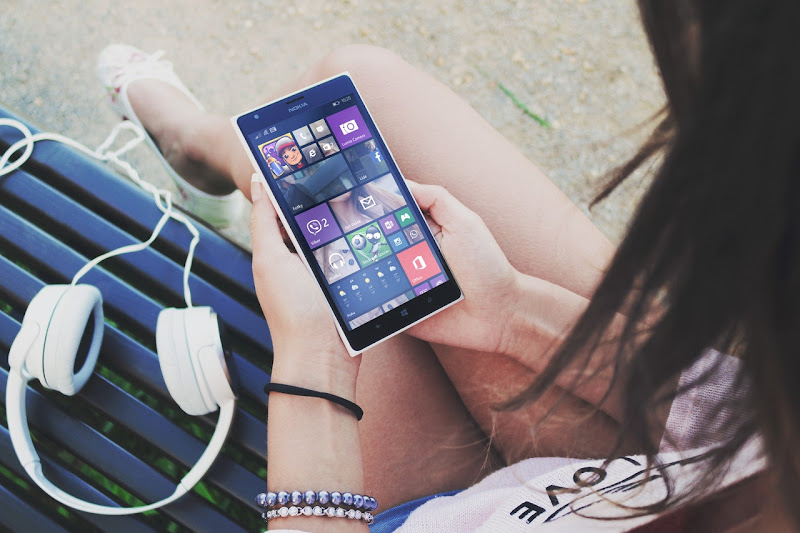
Microsoft's decision to take a chance on the Windows Phone is understandable. The computer giant, which has controlled the PC operating market for many years, made the decision to add a phone operating system to its portfolio. Well-known manufacturers like Nokia joined the initiative, and it received the kind of support that technology requires to gain a foothold in a crowded and established market.
The market was undoubtedly established by the time Microsoft's device debuted, even though smartphones hadn't been around for all that long when Windows Phone did. After you incorporate certain dubious tactics, things take a turn for the worse.
Microsoft chose the incorrect target.
For as long as both firms have been in business, Apple and Microsoft have been in direct competition. In recent decades, Microsoft has dominated the PC industry, with a 70–90% share, while the proportion of Mac users is often in the mid-teens. Therefore, it seems sense that Microsoft wanted to compete with Apple in the smartphone industry as well.
One of the main things that has made Apple and Google stand out is app support.Both Google's Play Store and Apple's App Store offer a vast selection of apps along with extensive assistance from the app developers. For several reasons, this never really occurred with Windows Phone. First off, when Microsoft's attempt to introduce Windows Phone in 2010, iOS and Android were already well-established, so Windows Phone was a bit late to the party. iOS and Android already had strong core customer bases and well-developed app marketplaces when Windows Phone came out. This probably significantly reduced the appeal of Windows Phone and caused problems that other OS developers in and outside of the smartphone market still deal with today.
The fact that many developers are reluctant to use their limited resources to create apps for a phone with a tiny market share made matters worse. This leads to a Catch-22 scenario, which Microsoft undoubtedly encountered and which was a major contributing factor to the failure of Windows Phone.
It wasn't always this way, but today the cell phone industry is basically a decision between Windows and Android.Microsoft was one of the most well-known companies in the cell phone industry not so long ago, but there were other significant players as well. More little businesses than anyone can possibly name have tried to enter the market, and Amazon has tried to get a piece of the action. They've all failed.
Microsoft's decision to take a chance on the Windows Phone is understandable. The computer giant, which has controlled the PC operating market for many years, made the decision to add a phone operating system to its portfolio. Well-known manufacturers like Nokia joined the initiative, and it received the kind of support that technology requires to gain a foothold in a crowded and established market.
The market was undoubtedly established by the time Microsoft's device debuted, even though smartphones hadn't been around for all that long when Windows Phone did. After you incorporate certain dubious tactics, things take a turn for the worse.
Microsoft chose the incorrect target.
For as long as both firms have been in business, Apple and Microsoft have been in direct competition. In recent decades, Microsoft has dominated the PC industry, with a 70–90% share, while the proportion of Mac users is often in the mid-teens. Therefore, it seems sense that Microsoft wanted to compete with Apple in the smartphone industry as well.

Post a Comment